
Every couple who walks through our door says the same thing: “We want it to feel like us.” It is the most honest brief we ever receive, and the most important one to get right.
A wedding that “feels like you” is not an accident. It is not simply a matter of choosing your favorite color or ordering the flowers you love most. It is the result of a deliberate, layered design process that begins long before the first flower is ordered, and long before the venue is dressed.
After years of designing weddings across Timor-Leste, from intimate garden ceremonies to grand ballroom celebrations, I have come to understand the five elements that, when considered together, create a wedding that is unmistakably, beautifully, entirely yours.
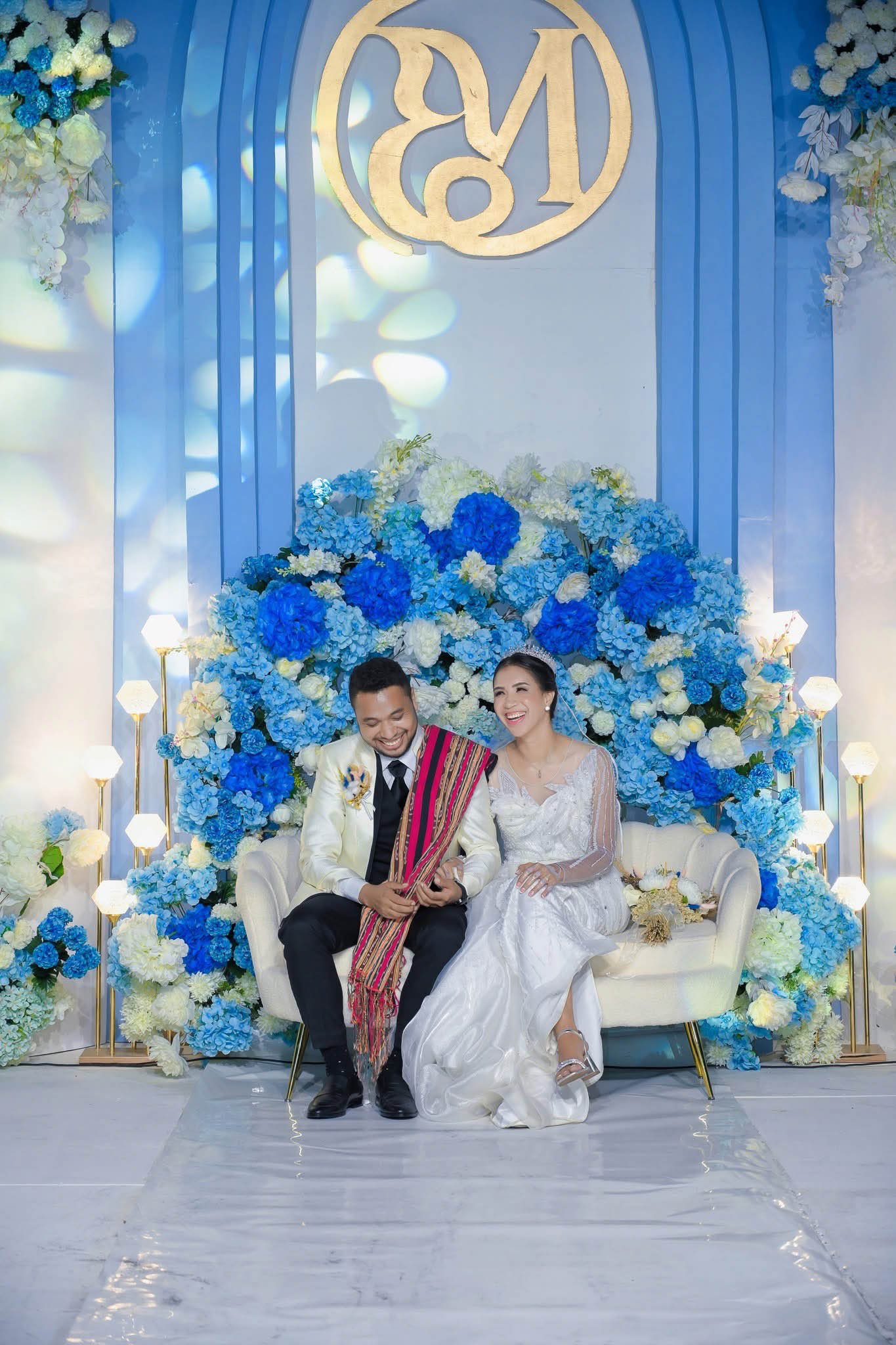
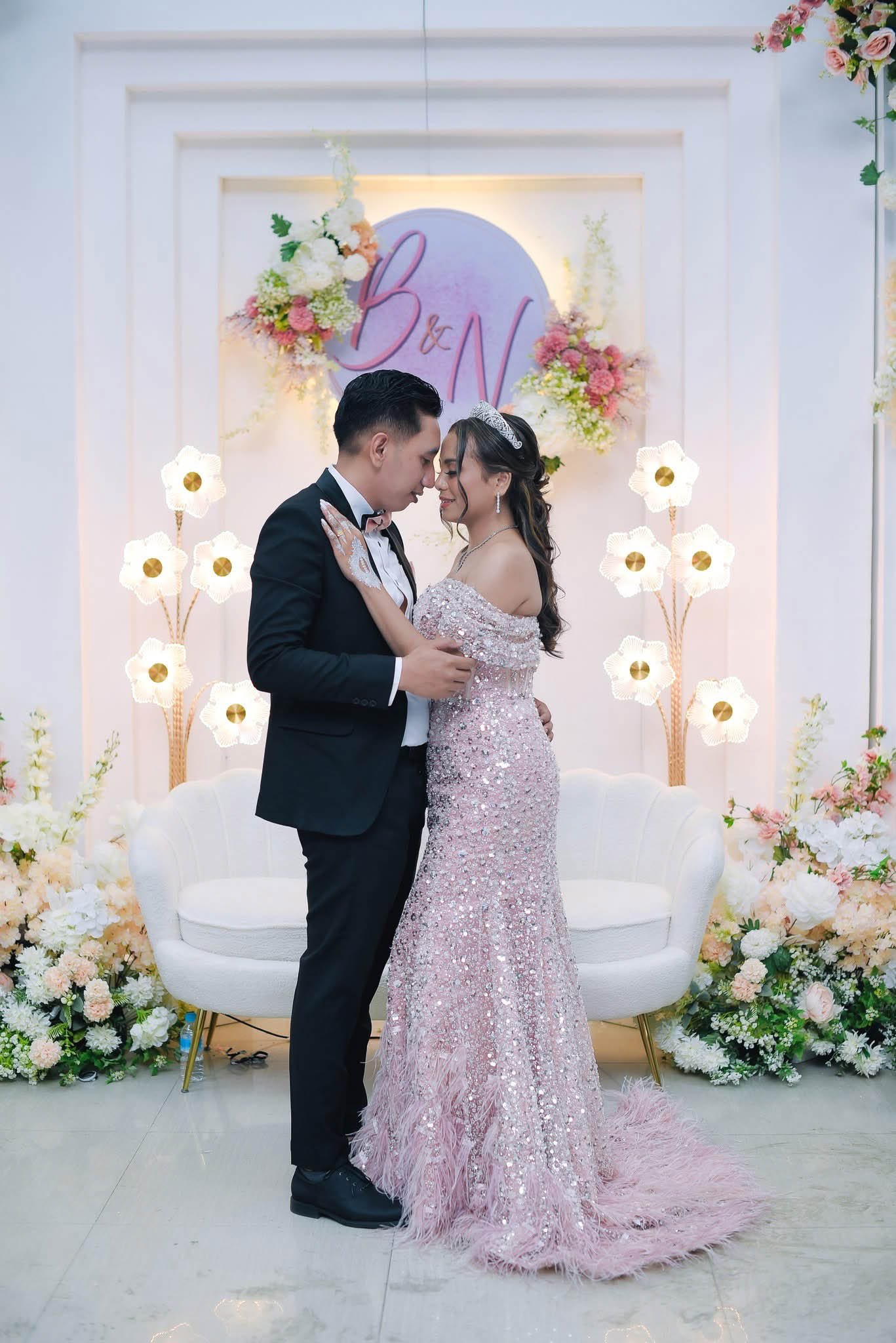
01. Palette: The Language Before the Words
Colour does more than decorate. It communicates. Before a single guest reads your invitation or steps inside your venue, your colour palette has already told them how to feel.
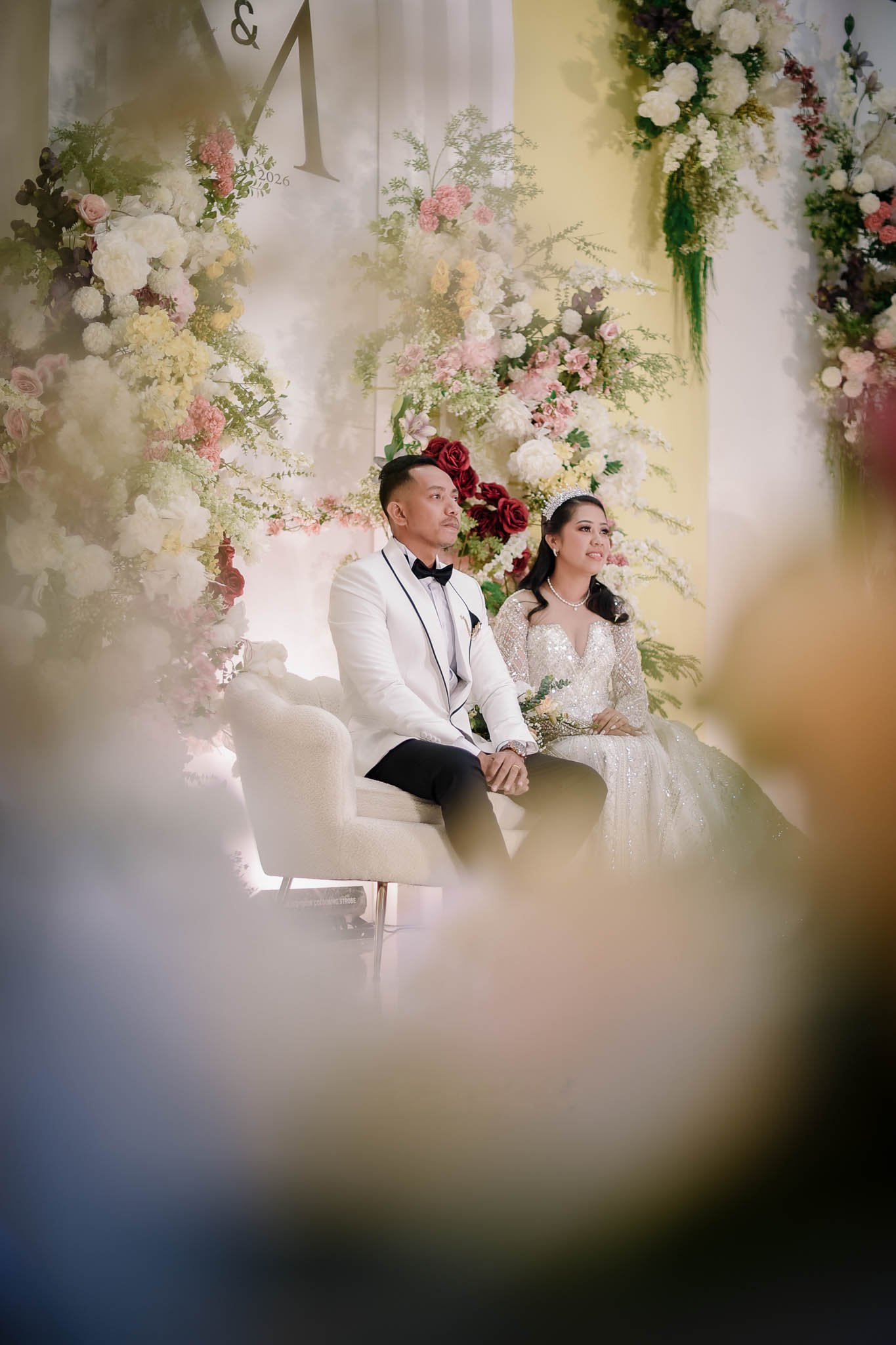
The couples I work with who end up with the most cohesive, emotionally resonant weddings are not the ones who chose the most on-trend palette of the season. They are the ones who chose colors that meant something to them, the exact shade of the ocean they got engaged beside, the warm ivory of a grandmother’s tablecloth, the deep green of the garden where they first met.
A wedding palette is not just a visual decision. It is an emotional declaration. Choose it as such.
02. Texture: What the Eye Cannot Resist
Walk into any beautifully designed space and your eye will move, not because it is told to, but because it is drawn. That movement is almost always the work of texture.
Raw linen against polished glassware. Dried botanicals beside fresh blooms. A velvet ribbon on a hand-poured pillar candle. These contrasts create depth, and depth creates rooms that guests want to linger in, not simply pass through.
When I design a wedding, I think in layers. The first layer is the room itself: its walls, floors, and existing materials. Every subsequent layer responds to what came before it. Texture is the conversation between those layers, and like all the best conversations, it requires listening as much as speaking.
“The rooms people remember are not the most elaborate ones. They are the most considered.” ⎯ DGS
03. Light: The Element That Changes Everything
No element transforms a space more completely than light, and none is more consistently overlooked by couples planning their own weddings.
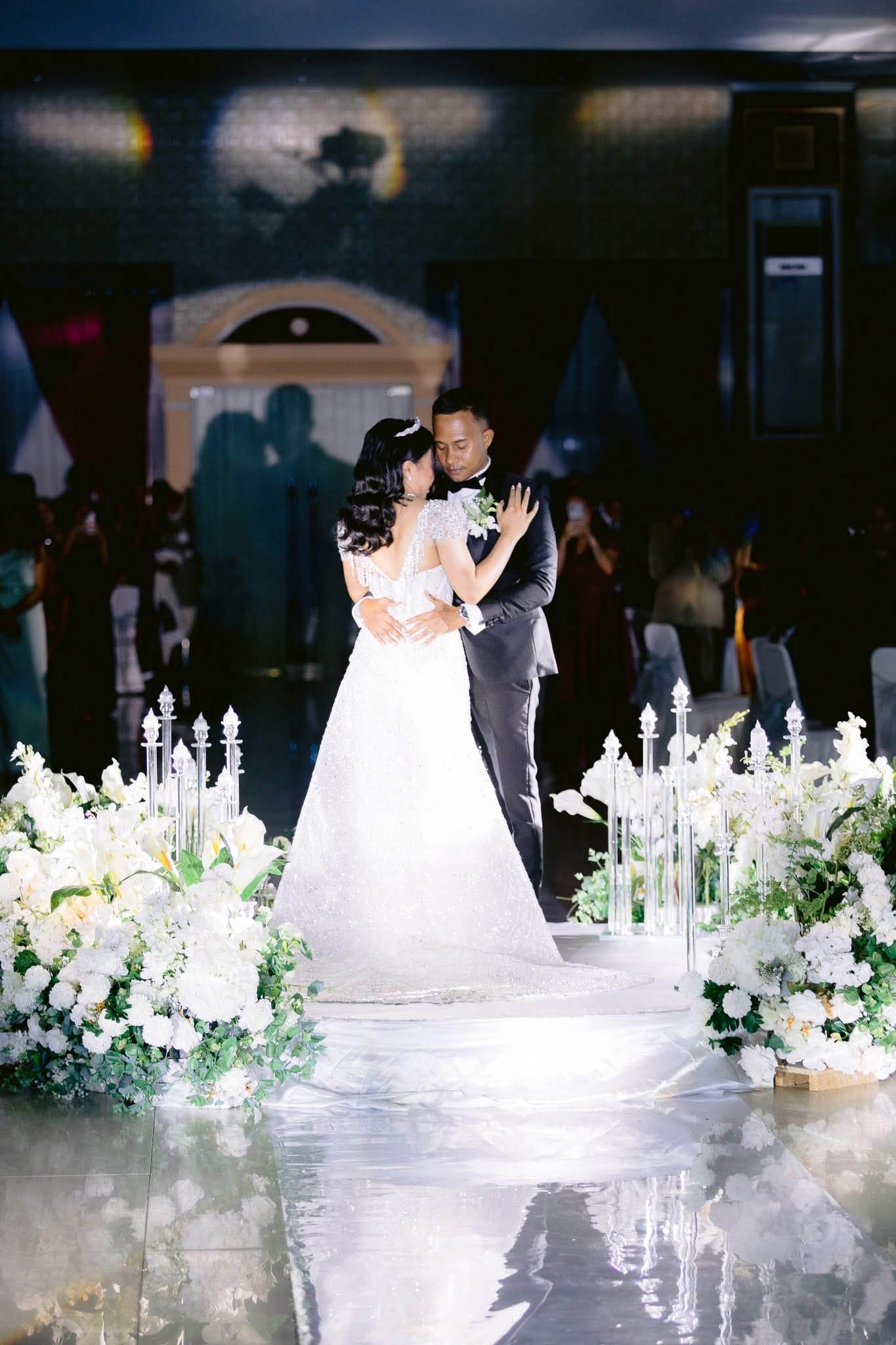
The same room can feel clinical and cold or warm and cinematic, depending entirely on how it is lit. Natural light at golden hour. Hundreds of candles at varying heights, casting amber shadows. Soft overhead wash that makes every face glow. A single spotlight on the bridal table, making the flowers look as if they have been painted.
Lighting direction is not a luxury reserved for large budgets. Even the most modest event can be transformed by the careful placement of candlelight. When I consult with couples, lighting is always one of the first conversations, because it is the one that changes every decision that follows.
04. Story: The Thread That Connects Everything
The most beautiful weddings I have ever designed have had one thing in common: a clear story.
Not a theme, a story. There is a difference. A theme is a concept: “Garden Romance” or “Modern Luxe” or “Rustic Boho.” A story is specific: the couple who fell in love at a beach in Com, who wanted their reception to feel like that evening, the smell of the sea, the warmth of the sand, the way the light fell just before dark.
A story gives every design decision a reason. It makes the palette obvious. It tells you which flowers belong in the arrangement and which ones don’t. It turns a beautiful room into a room that could only ever have belonged to two specific people.
Before I design anything, I ask: what is the story? I will not rest until I know it.
“A theme decorates a room. A story transforms it.”
05. Restraint: The Hardest Element of All
I have saved this one for last, not because it is the least important, but because it is the most counterintuitive.
Restraint is not minimalism. It is not austerity or plainness or having less. Restraint is the discipline of knowing when to stop, of recognizing the point at which an additional element would dilute rather than enhance what is already there.
Some of the most breathtaking weddings I have designed have had very few elements. A single arch of white flowers. One long table dressed in unbleached linen and pillar candles. Nothing to distract from the people inside the space, and everything to make them feel extraordinary within it. Restraint, I have learned, is its own kind of extravagance.
A Final Word
A wedding that feels like you is not achieved by accumulating the right elements. It is achieved by knowing which elements belong together, and having the discipline to leave everything else behind.
Palette. Texture. Light. Story. Restraint. These are not a checklist. They are a conversation, one that begins the moment you sit down with a designer who has taken the time to truly listen.
If you are beginning to plan your wedding in Timor-Leste and you would like that conversation, we would love to hear your story.