

It is one of the most common misconceptions in event planning: that choosing a beautiful venue is the same as having a beautiful event.
I understand why people think this. A stunning hotel ballroom, a garden estate, a clifftop terrace, these spaces are undeniably impressive. They photograph beautifully. They set a tone before a single guest arrives.
But a venue is a canvas. It is not the painting. After designing hundreds of events, weddings, corporate galas, private celebrations and cultural milestones, I have seen extraordinary events held in ordinary spaces, and unmemorable ones held in magnificent ones. The difference, every time, comes down to one thing: the deliberate design of the experience inside the space.
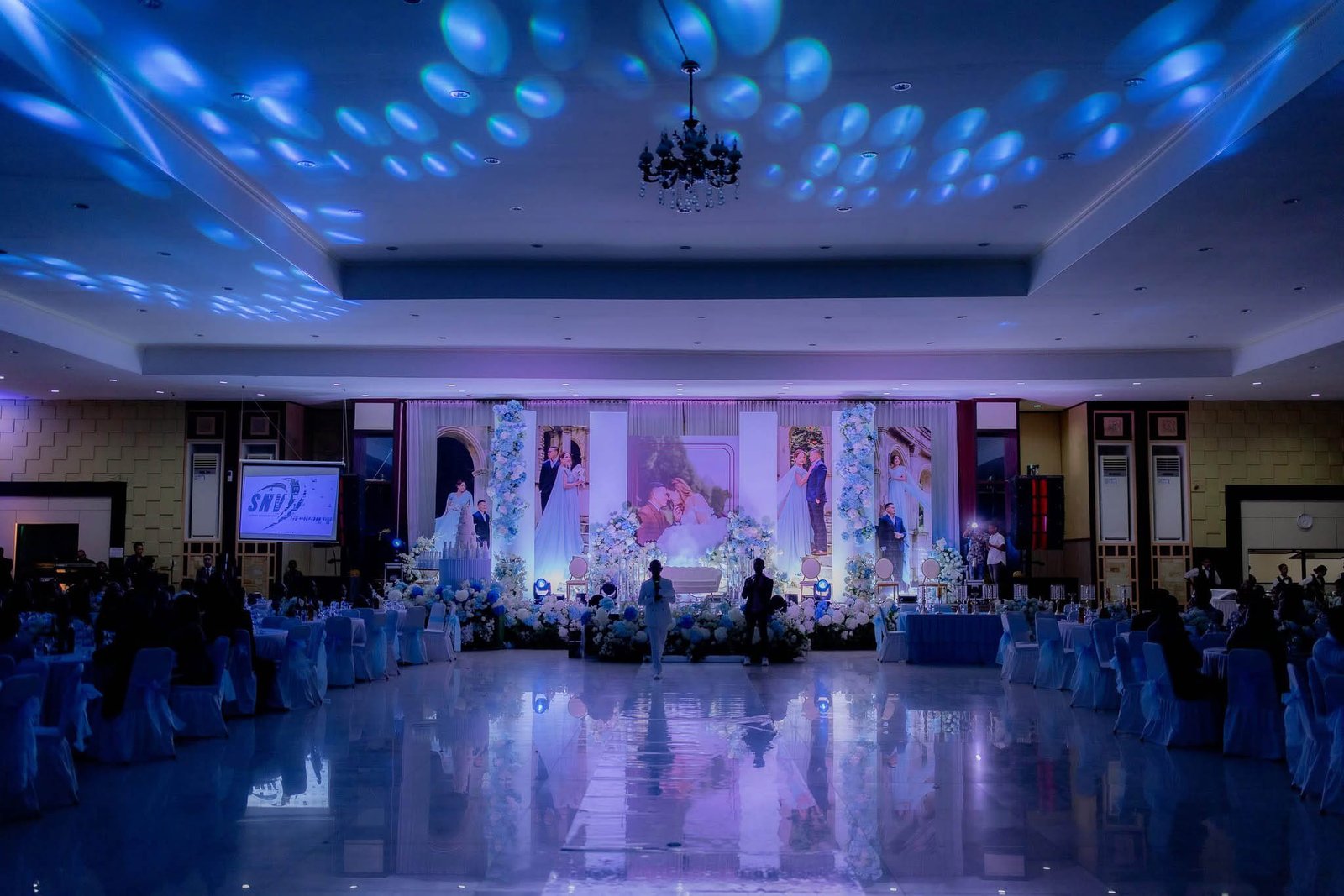
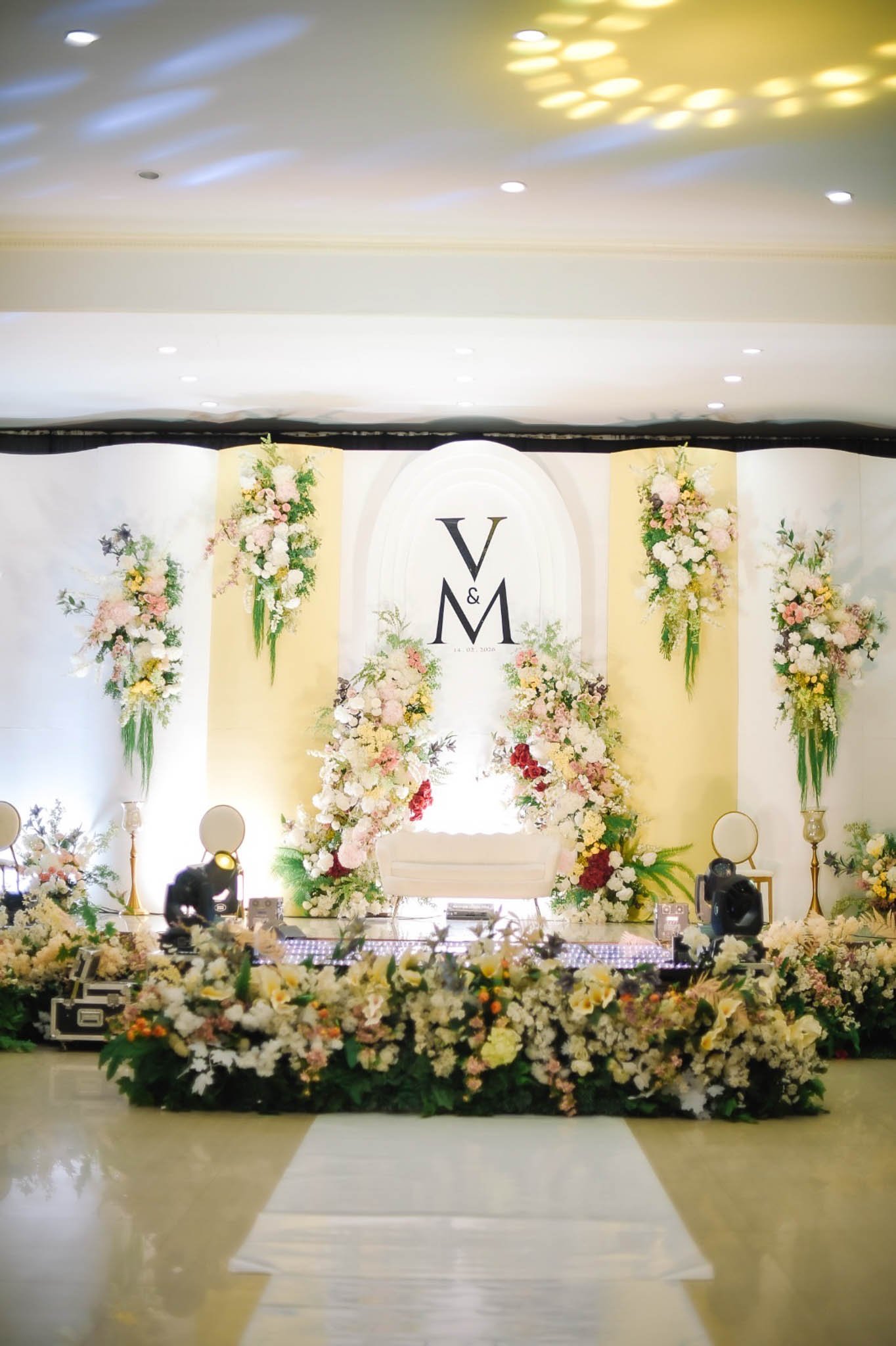
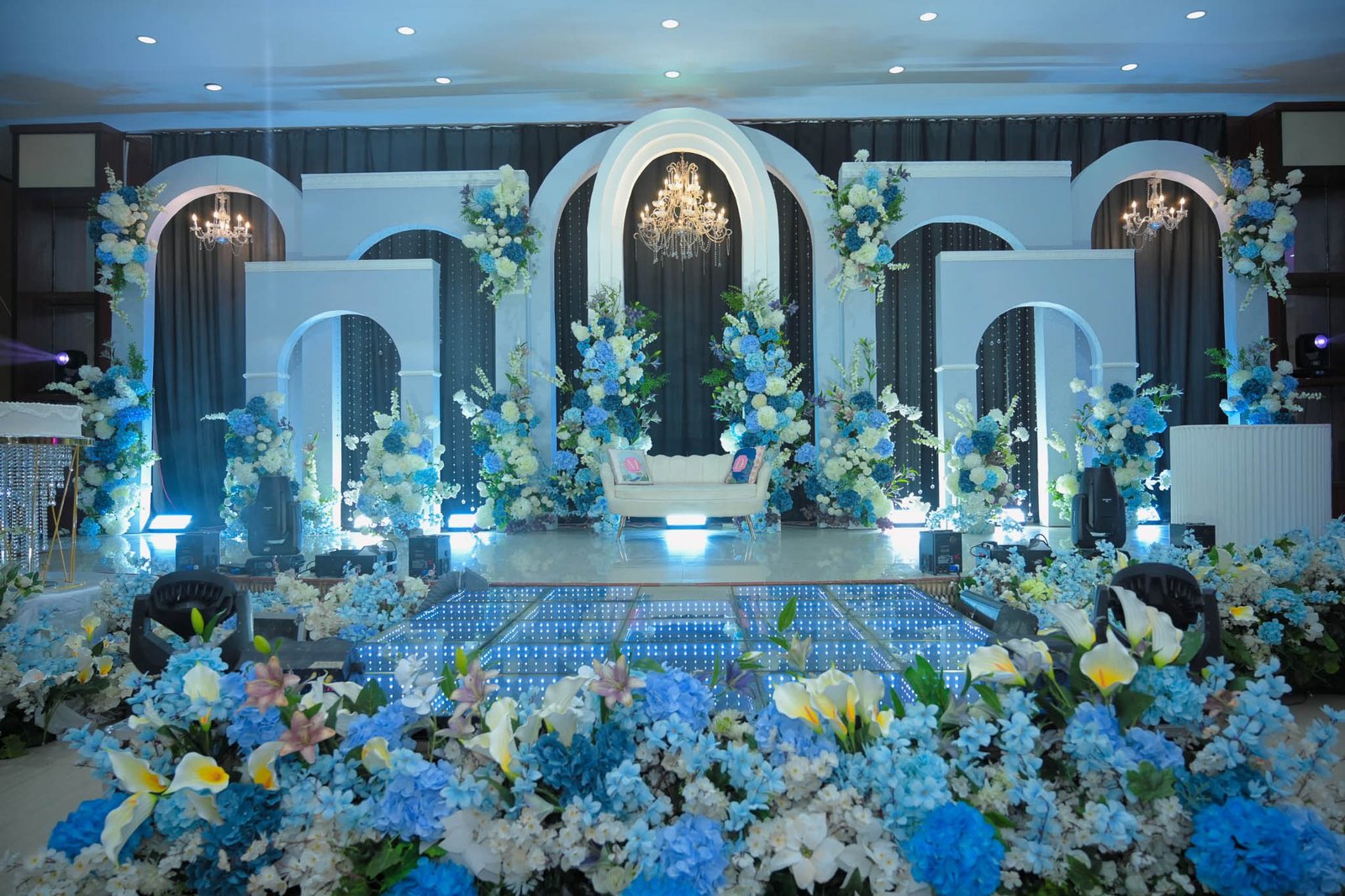
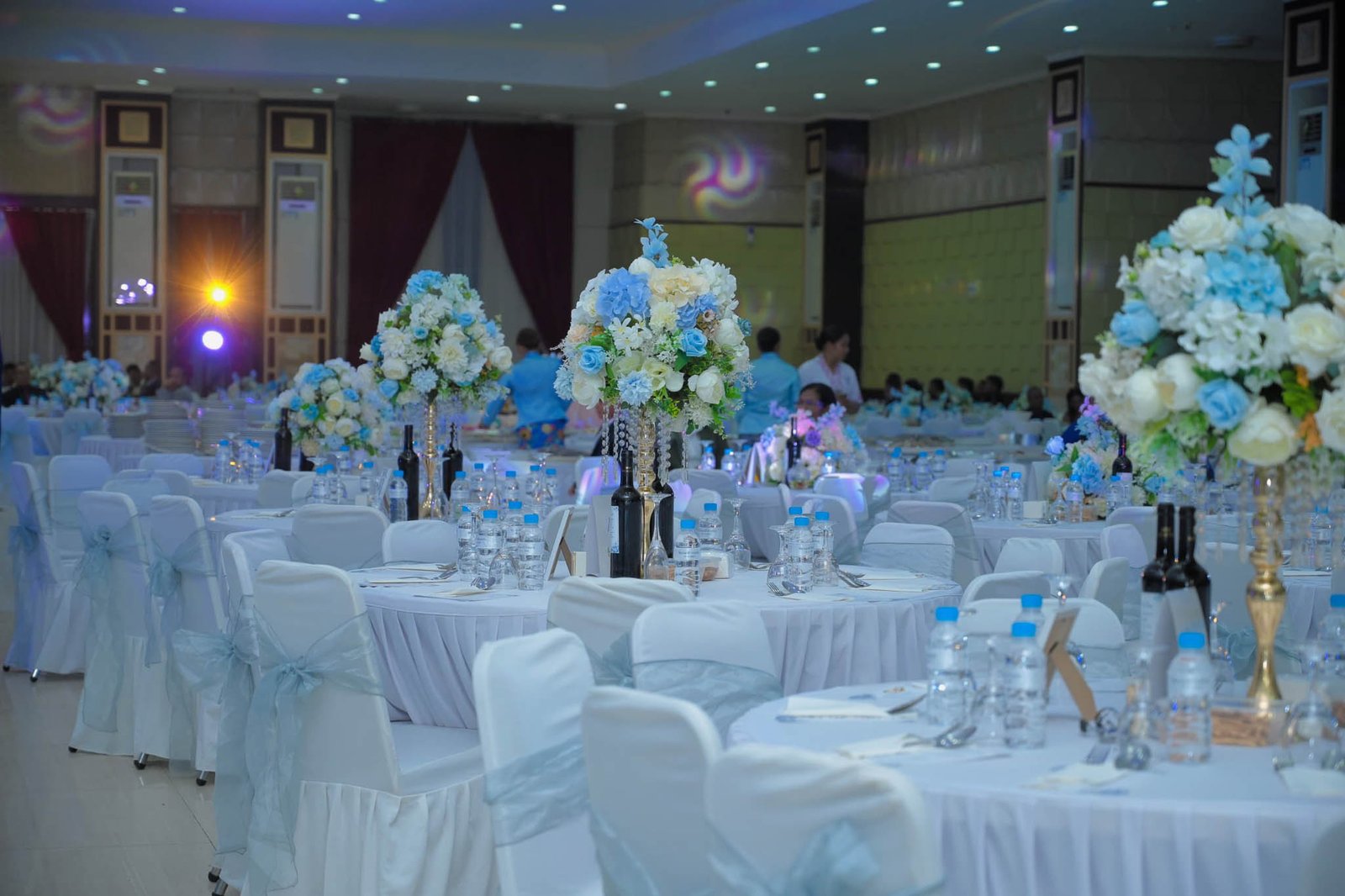
The Venue Sets the Stage. The Design Tells the Story.
Think of a venue the way a theatre director thinks of a stage. An empty stage is full of possibility, but it is not, in itself, a performance. The lights, the set design, the costumes, the blocking: these are what turn an empty stage into something that moves an audience.
Your event works the same way. The venue provides the dimensions, the architecture, the natural light, the existing materials. The design, the color, the florals, the lighting direction, the spatial composition, is what turns those dimensions into an experience that your guests will remember for years.
“A venue is a canvas. What you do inside it is the art.” ⎯ DGS
Three Things That Transform a Space
When I approach a new venue, I look for three things: what the space does well, what it does not do well, and what it does not do at all. The design strategy grows from that assessment.
Light — Always First
The first thing I change in almost every space is the light. A room’s ambient lighting rarely flatters an event. Too bright, too clinical, too uniform. The introduction of warm-toned directional lighting, candlelight at varying heights, or a wash of colour can transform the perceived size, warmth, and mood of a room within minutes. Before any flower is placed, the lighting must be right.
Focal Points — Where the Eye Goes
In every event space, there are three or four natural focal points: the entrance, the head table, the ceremony arch, the stage. These are the places guests look first, and the places that form the lasting visual impression of the event. A well-designed event treats these focal points as anchors, each one a deliberate visual statement that the rest of the room responds to and supports.
Scale — The Element Most Often Misjudged
Scale is the relationship between the size of design elements and the size of the space they inhabit. Tall floral columns in a low-ceilinged room feel oppressive. Small centrepieces in a grand ballroom disappear. Getting scale right requires reading the space carefully, and understanding that what looks proportional in a showroom may look entirely different in context.
What This Means When You Are Planning Your Event
When couples or clients come to me with a venue confirmed but no design direction, I always ask the same question: “What do you want people to feel the moment they walk in?”
Not what they will see. Not what the colour scheme is. What they will feel.
Because that feeling, wonder, warmth, joy, romance, awe, is the destination. The venue, the florals, the lighting, the tablecloths: these are the road. A beautiful road is worth having. But it is only meaningful if it leads somewhere.
Your venue is the beginning of the conversation. Not the end of it.
Working with Any Space, Including the Imperfect Ones
One of the most valuable things I have learned is that constraints are not the enemy of great design. They are frequently its source.
Some of the most beautiful events I have created have been in spaces that, on paper, presented real challenges: low ceilings, uneven floors, poor existing lighting, minimal natural features. These constraints forced a level of creative problem-solving that a perfect, neutral box of a venue simply does not demand.
A space with character, even difficult character, often produces more interesting, more memorable events than a space that is simply beautiful to begin with. Because beauty without tension is often just prettiness. And prettiness, unlike beauty, is quickly forgotten.
“The best event spaces are the ones that ask something of you as a designer.”
The Invitation
The next time you walk into a space, a potential venue, a room you are considering for an event, try to see past what it already is.
See instead what it could become, in the right light, with the right design decisions, for the right occasion.
That shift in perspective, from what is to what is possible, is where every great event begins. And it is the lens through which DGS Event Creator & Décor approaches every project we take on. If you have a space and a vision, we have the design.